
Explaining the unknown in terms of the familiar is one most natural ways to get to know the former. This is probably why music journalism tends to compare Japanese artists to their major Western counterparts. It’s not uncommon to see Akiko Yano’s name mentioned alongside Kate Bush’s, and this comparison is not without merit.
Both learned to play the piano and drew inspiration from the folk tradition, with similar high voices, fragile and brittle. At the start of their careers, both had experienced mentors: Kate Bush was mentored by David Gilmour of Pink Floyd, while Haruomi Hosono of Happy End mentored Akiko Yano. Both released their debut albums in the mid-1970s. But in fact, Akiko Yano released hers first.
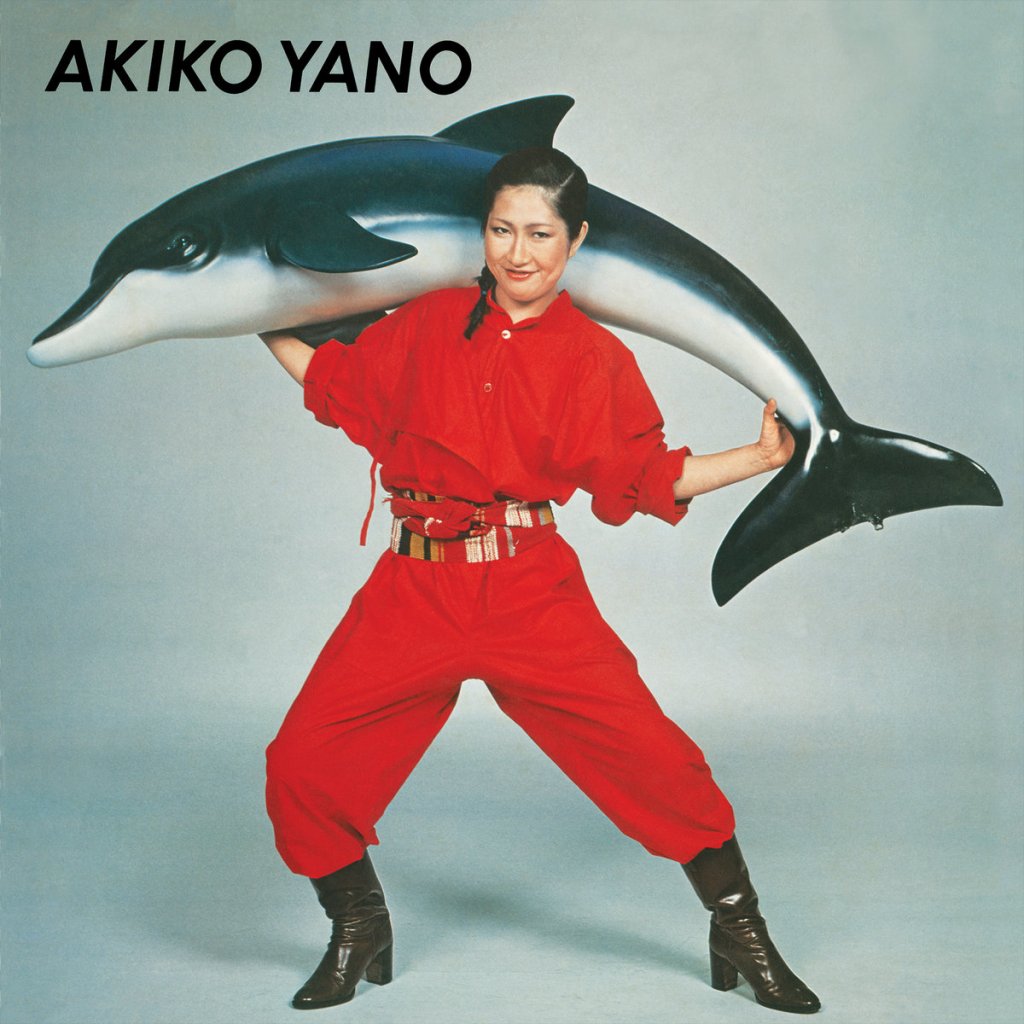
Iroha Ni Konpeitou, technically Akiko Yano’s second studio album, explains her evolution as an artist best of all. Many of its compositions were recorded in Tokyo in 1974, a few years before her official debut. Yano was just 19 back then and supported by Haruomi Hosono, Shigeru Suzuki, and Tatsuo Hayashi, all from Tin Pan Alley, a band formed after the breakup of Happy End. On keyboards was Hideki Matsutake, who would later be responsible for Yellow Magic Orchestra’s equipment and touring with them and with Yano herself. Some of the sessions from that period may appear as coming from her first LP, Japanese Girl, but, actually, all of them were reworked and included in Iroha Ni Konpeitou.
What strikes the most about this album is the erudition of its creators. At first glance, the album may seem “idoru”-esque for its girly pop vocals, but on closer inspection, it reveals complex synth spaces, jazz-funk, country, boogie, and soul influences. The styles change quickly and seamlessly, with Yano’s vocals adding a pop sheen, whether she is using a piano or a Moog IIIc.
Yano’s love for jazz is unmistakable throughout the album, but she doesn’t treat it as a sacralized tradition. Instead, she handles it as a living, flexible substance fusing it with other genres. Interestingly, Ai Ai Gasa and Hosono’s Hourou, two tracks that somewhat dissonate with the rest of the album, were not written by Yano. However, they fit perfectly within the album’s overall sound and feel like petite aliens due to their subtle nostalgia notes.
Still, Iroha Ni Konpeitou has a solid Japanese essence. The album seemingly was created with something other than the Anglo-American market in mind. Like many other projects of the circles in which Yano revolved in the 70s, it was born out of a desire to integrate purely Japanese and Western motifs and see what would work.
That could be why the album was re-released outside Japan more than 30 years after its initial release. The album’s unique blend of influences and sounds makes it stand out without trying too hard to appeal to any particular market. And that’s probably why Yano still can pack the halls in New York without singing a word in English.

 Bad Lemon