
-
黒蜥蝪: 永遠の瞬き Black Lizard: blink of eternity

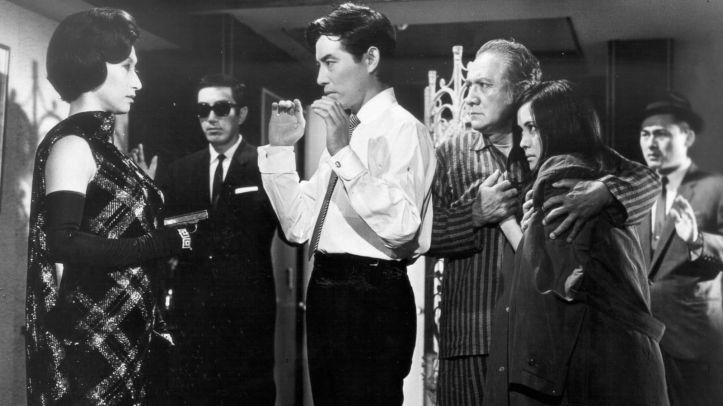
A mysterious villain hunts young men and women to abduct them and save their beautiful bodies for eternity by transforming them into lifelike mannequins. Will the brave detective be able to fight this twisted criminal mind and not fall for their charm? If the Black Lizard movie were to hit the cinema today, its logline could sound like that. Often dismissed as a pulp specimen, Black Lizard, if you dare to take it seriously, reveals a darker, more complex narrative that is still resonant today.
Black Lizard began as a stage adaptation of an Edogawa Rampo novel of the same name published in 1934, with a script by Yukio Mishima shifting focus to his favourite themes, such as eternal beauty and mortality. The first film, closely following Mishima’s script, released in 1962, was a lacklustre noir, watered-down reminiscent of The Maltese Falcon. More modern, action-like adaptation emerged in 1968, when avant-garde director Kinji Fukasaku (Tora! Tora! Tora!, Battles Without Honor and Humanity, Battle Royale) took the reins, casting as a title character Akihiro Miwa1 — a nowadays acknowledged drag star, who started as a cabaret singer, and back in the mid 1960s, sought to escape his established routes through enka music, socially themed lyrics and work in the theatre.
The choice of Miwa was no accident. In 1967, Shuji Terayama’s Marie in Fur, starring Miwa, drew sold-out crowds daily at the Shinjuku Art Theatre. Mishima was captivated by Miwa’s performance and frequently visited their dressing room. “You are the only one who can play Black Lizard. I beg you,” he said.
“Mishima was a very proud person,” Miwa recalls. “Not the kind to come and ask repeatedly. But three times? Why me?”
Having seen Miwa navigate Terayama’s notoriously complex scripts with ease, Mishima explained, “I thought you could convey my rhetorical and difficult lines to the audience in simple, everyday language as if you were using a soapbox or a toothbrush.”
When pressed further, he admitted a deeper reason: “I was told that none of the plays I write ever get an audience. That makes me sad. If you do it, it’ll definitely be a big hit.”2
And it was. Miwa first played the Black Lizard at the Toyoko Theatre in April 1968. The first performance was, as expected, a smash hit. It was later performed at the Kabuki-za theatre, where Mishima was delighted to play the role of one of the mannequins himself. Kinji Fukasaku directed a movie adaptation that was even screened in New York and Paris. Black Lizard thrived not only on screen but on stage, where Miwa reprised the role until the age of 79. Even late into his career, tickets sold out within hours.
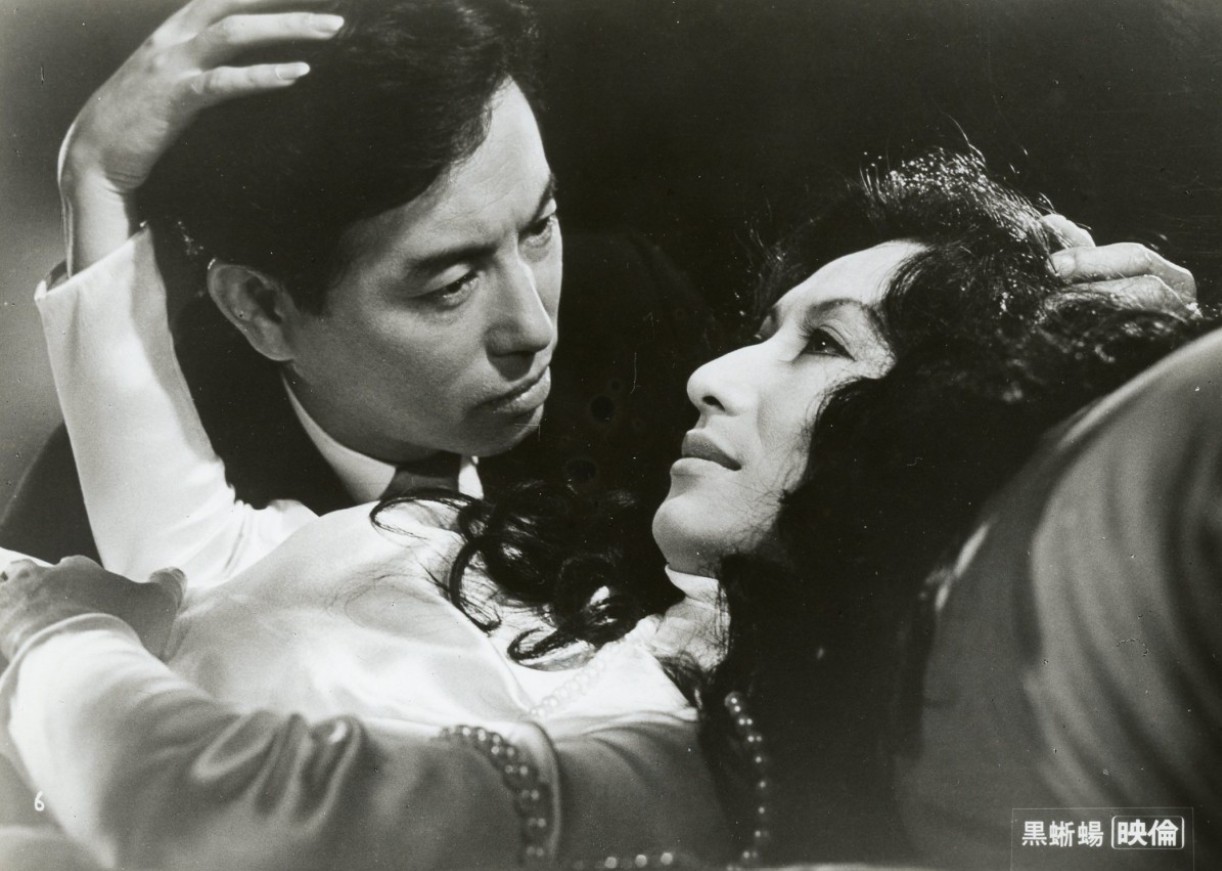
What gives Black Lizard its hypnotism? Part of the magic lies in its subversion of the onnagata tradition. In traditional Japanese theatre, the portrayal of the ideal woman fell to male onnagata actors, whose performances embodied an unattainable femininity, for the latter existed in such a configuration only on stage. Miwa’s casting reinvented this tradition on screen, blending the conventional with the avant-garde, which appears to be a striking evolution from the 1962 adaptation, more restrained and formulaic, with its cisgender character portrayals paling in comparison to the 1968 version’s daring sensuality and theatrical flair.
Also contributing to the film’s hypnotic allure are Miwa’s appearances in Black Lizard, which unfold not as transformations but as a seamless embodiment of the Black Lizard’s true self. Even though audiences then, as now, may have been tempted to frame this presence as ‘otherness,’ the Black Lizard does not appear to see themselves that way. They simply exist. To enhance this perception, viewers do not get to witness the male-to-female metamorphosis central to contemporaneous drag-centric works, such as Some Like It Hot (1959). Instead, ‘otherness’ is delivered as a premise. From the outset, Black Lizard arrives fully formed as a femme fatale, though we never get a hint on how the ‘femme’ came to be, nor what moral dilemmas or narrative traumas shaped the ‘fatale.’ The fatality holds until Black Lizard falls in love with the detective, as does another Miwa’s character, Ryuko, in another Kinji Fukasaku work Black Rose Mansion, with one of their presumed victims, revealing the character’s vulnerability, ripping off their unattainability, and bringing them back something unmistakably human.
In considering what else sets Black Lizard apart from other criminal masters of disguise of the era, Fantômas inevitably comes to mind, along with Jean Marais, who brought him to cinematic life. Like Miwa, Marais was a luminary of what we now recognize as the queer cultural vanguard. And yet, his Fantômas lacks the layered complexity Miwa lends to Black Lizard. Where Fantômas steals faces — literal masks of identity — it is not in service of a quirky philosophy, one that seeks to preserve beauty, and not in an extension of the character’s fluid essence. His disguises function as tools, a way to obscure his true self.
The Black Lizard has no such need for concealment. Their goal is not to hide; it’s to steal souls — those of her victims and, ultimately, the audience. The film ends, yet you’re left with the unsettling sense that something has just slipped through your grasp. Like a lizard.
At that time, he went under the name of Akihiro Maruyama, a pseudonym chosen in his early career years that he would later, after Mishima’s death and memorial service, change to Akihiro Miwa, by which he has been referred to since then.
- At that time, he went under the name of Akihiro Maruyama, a pseudonym chosen in his early career years that he would later, after Mishima’s death and memorial service, change to Akihiro Miwa, by which he has been referred to since then. ↩︎
- https://www.sponichi.co.jp/entertainment/news/2015/03/08/kiji/K20150308009936500.html ↩︎
-
Julian Cope. Japrocksampler: How the Post-war Japanese Blew Their Minds on Rock ‘n’ Roll
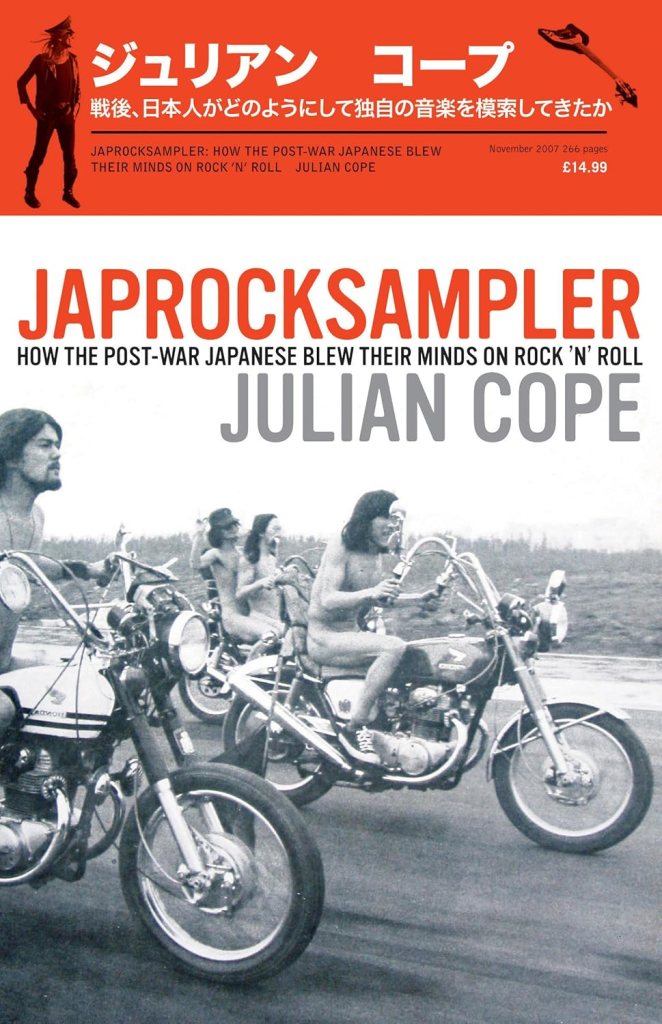
Everyone writes their own story of Japanese rock music. It’s a cultural phenomenon with so many facets that any attempt to capture it inevitably explains the author’s personality and perspective more than the history itself. Julian Cope’s Japrocksampler was published in 2009, and it still stands apart not just because of the topic but because of the author’s unique focus and unmistakable voice.
Japrocksampler survived all these years because Cope, a gifted musician and author of Krautrocksampler, knew exactly what kind of story he wanted to tell. He didn’t aim to cover every aspect of modern Japanese music. Instead, he traced the American rock ‘n’ roll journey to its Japanese incarnation, threading these developments through the political and social upheavals of the time. Because, you know, music doesn’t exist in a vacuum; it is politics, and pop culture is never just about the hits.
He paints vivid pictures of the first rock’n’roll covers, the Group Sounds of the 60s, the rise of progressive and folk-boom, and the experimental and theatrical scene, covered in great detail. He stops just a few steps before the punk explosion, leaving that chapter for someone else to tell. However, the essence of show business is captured accurately: styles may change, however, without any fundamental shift in the core on which the Japanese show business machine operates.
A big part of the Japrocksamplers’ charm lies in Cope’s universal perspective. He doesn’t treat Japanese rock as some mystical anomaly, an isolated phenomenon, but puts it within the global context, constantly drawing parallels with what was happening in the United States and Britain at the same time. This provides an understanding of Japanese popular music’s evolution as a piece of the larger cultural puzzle.
Yes, Cope is opinionated, Japrocksampler is not the work of an academic, journalist, or cultural critic, but rather of an educated enthusiast – it’s raw, honest, and unfiltered. Cope hands you the big names, the essential tracks, and says, “Hey, start here. Find your own way from this map I’ve scribbled.” Maybe it’s the closest thing to a rock ‘n’ roll manifesto about Japanese music you’ll ever find.
-
Midori Takada: Through the Looking Glass

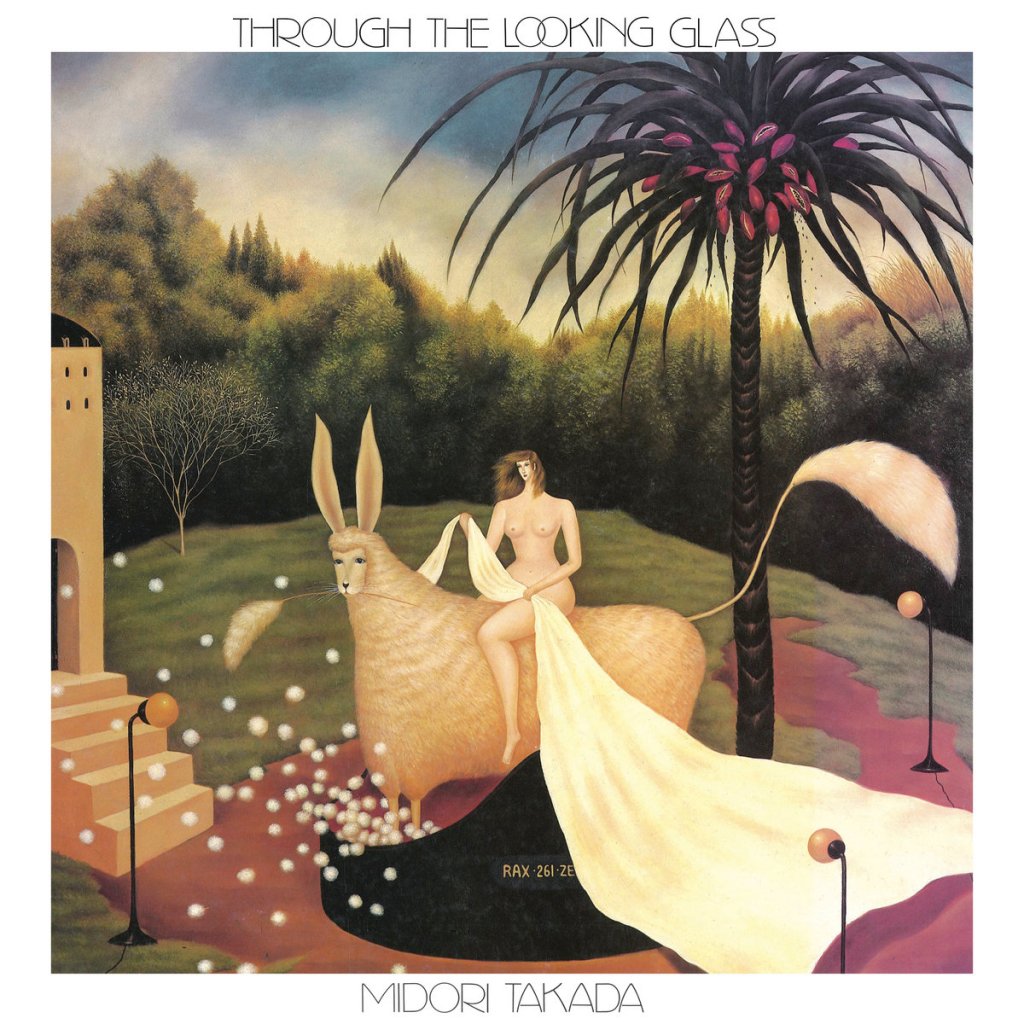
This album has an extraordinary fate. It’s not every day that a half-forgotten record claws its way out of obscurity more than 30 years after its release.
Through the Looking Glass was released in 1983 on RCA Red Seal, a label primarily known for its focus on neo-classical music. Midori Takada, classically trained percussionist who had performed with Berlin’s RIAS Symphony Orchestra in the mid-seventies, seemed like a natural fit for the label’s artist choice. Yet the album proved too distinctive, and the sales—modest to the point of being negligible—left the label disappointed. Red Seal lost interest in their artist. That could have been the end of the story.
With the adventure of the modern technological era, the album was digitized and uploaded to YouTube. The platform’s recommendation algorithm began introducing it to fans of Brian Eno – slowly the album began its climb into the playlists of a global audience. Through the Looking Glass caught the attention of Swiss label WRWTFWW Records, which also discovered that collectors of Japanese vinyl were ready to pay $1,000 for an original pressing. This figure, impressive to anyone who is happily unfamiliar with Japanese auctions for rare records, helped solidify the album’s cult status. In 2017, Through the Looking Glass was reissued, garnering attention from The Guardian and The New Yorker.
All of this might seem like a series of happy coincidences, but Through the Looking Glass truly deserves its acclaim. The record is concise and remarkably clear in its vision. It is captivating, partly because it was recorded in just two days, with Takada performing every part herself—marimba, drums, harmonica, even a Coca-Cola bottle. The melodies bear the influence of Steve Reich and Terry Riley, but the deeper inspiration lies in traditional African music. While creating the album, Takada immersed herself in recordings of drummers from Tanzania and Zimbabwe, attempting to replicate their rhythmic structures. The result is simple yet striking —a hypnotic evocation of ancient melodies that might have drifted across the savanna when the world was still young.
Perhaps it’s a good thing we’ve learned to listen to and appreciate these sounds once again. It reminds us that sometimes, the most remarkable journeys begin with a rediscovery of what we thought we’d lost.
-
Ryuichi Sakamoto: Coda

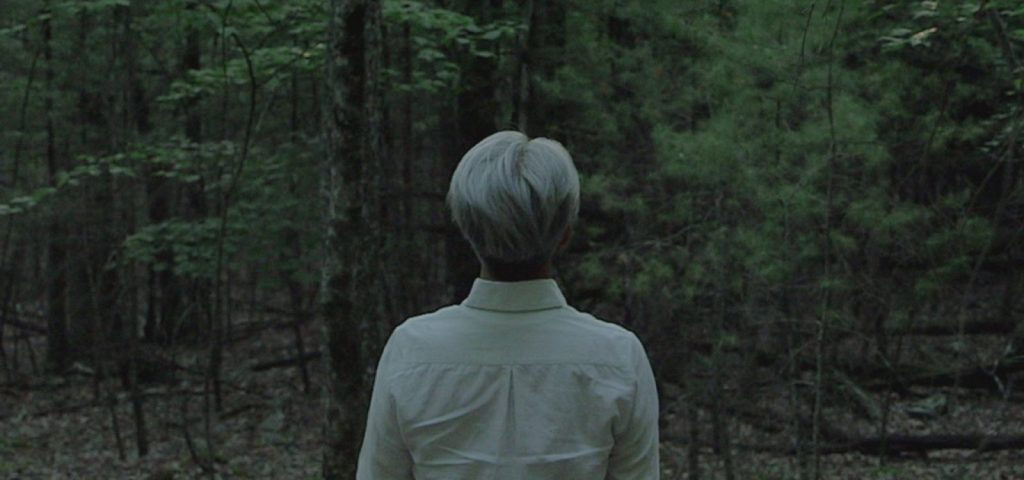
A thin, silver-haired man in a white shirt puts a blue plastic bucket on his head and goes out straight into the rain. He wants to catch some new sounds. This man is Ryuichi Sakamoto, who evolved from a session keyboardist into a multiple Academy Award-winning composer and one of Japan’s most renowned musical figures of the 20th century. And this scene is from Coda, the story of how he battled cancer and returned to work.
It’s symbolic that one of the main characters in Coda is a grand piano that survived the earthquake and tsunami that hit Japan’s east coast in 2011. “I felt as if I was playing the corpse of a piano that had drowned,” Sakamoto recalls. At these words, a viewer might be tempted to believe that the director, Stephen Schible, subtly associates Ryuichi with that instrument. Though the idea is never explicitly stated, the film seems to have been made with the understanding that it could be the last documentary on Sakamoto. It focuses on his most significant works and core ideas. The title is fitting, as a coda is what one always hears at the end of a musical work, its final passage.
As you watch, it’s interesting to note what has been left out of the picture. Who was ‘forgotten’? Collaborations with Madonna and Iggy Pop, Michael Jackson covering Yellow Magic Orchestra? Coda isn’t about success or fame. It’s about choosing the path and inventing one’s own framework. Choosing between remaining an idol and taking the courage to bargain with Nagisa Oshima: ‘If you want me to act in your movie with David Bowie, I’ll also write the soundtrack.’ Merry Christmas, Mr. Lawrence, which became Ryuichi Sakamoto’s gateway to the world of big cinema and international acclaim, owes to this courage. Thus, the key figures in Coda are Nagisa Oshima, Bernardo Bertolucci, and Alejandro González Iñárritu, not YMO. Notably, Sakamoto’s latest album at the time of filming, async, was a soundtrack for an imaginary Andrei Tarkovsky movie. If the director can’t invite you to collaborate, you can create the opportunity yourself.
Coda also offers us a glimpse into how the great master worked during those days. However, director Schieble’s intent wasn’t to reveal the behind-the-scenes of the creative process but rather to capture Sakamoto’s journey back to music as a path to rediscovering himself—a theme to which almost everyone can relate. That’s why the movie ends with simple yet profound words: ‘I decided to practice a little bit every day’. A perfect closing note in a story about a man who knows his true calling and why he must continue.
-
The Legend of the Stardust Brothers
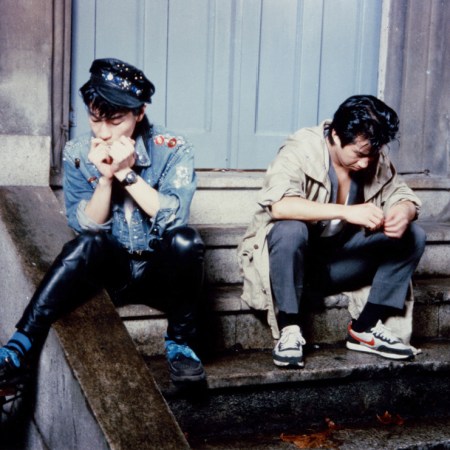
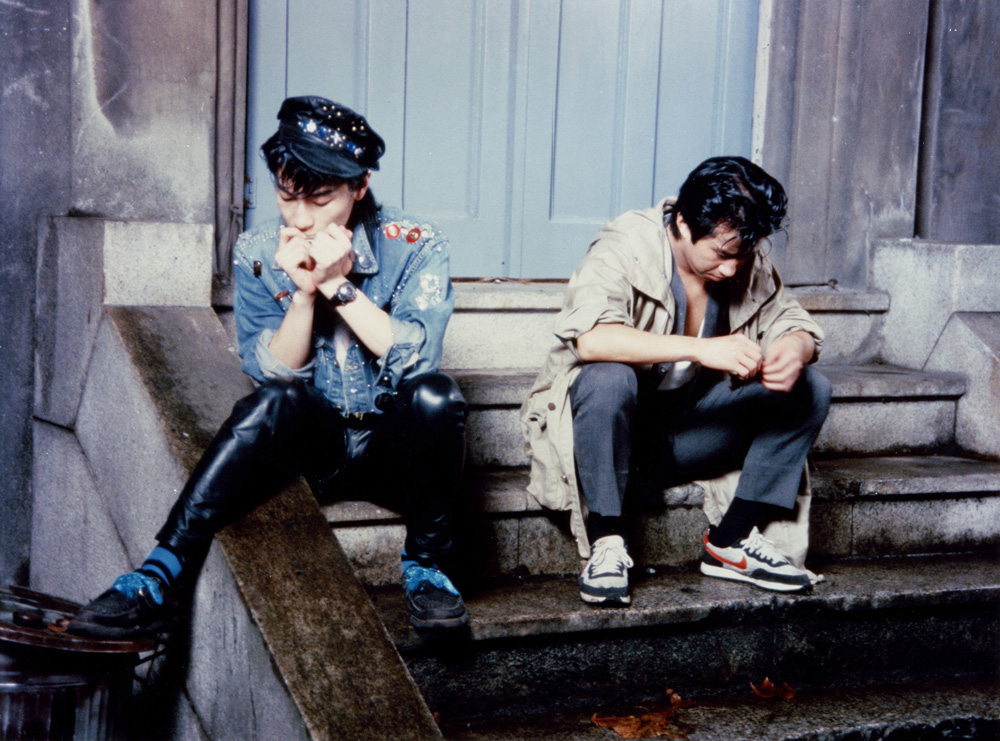
This story began in the early 1980s with the musician Haruo Chikada wanting to create a rock opera just like his then-time idols, The Who. That’s how The Legend of the Stardust Brothers appeared, a story about two guys who were into punk and new wave but got caught up in the showbiz that, as everybody knows, grinds everyone up. Haruo Chikada wanted to make a film based on this project. Having seen the student works of a young director, Makoto Tezuka, the son of the famous Osamu Tezuka (“the father of manga” and author of Astro Boy), the former decided to work with him. However, Chikada’s attempts to find a producer for the movie incarnation of the show went in vain – potential sponsors refused to invest money into his endeavour, fearing that the production would be too expensive. Haruo Chikada was left with nothing else but to take on the role of a producer himself. That’s how he and Makoto Tezuka ended up creating the movie with improvised resources.
Thanks to the family connections, the younger Tezuka assembled an impressive cast: superstar singer, Japan Record Award nominee Kiyohiko Ozaki, manga artists Kazuhiko “Monkey Punch” Kato (Lupin III) and Yoshuke Takahashi (Gentleman from Dreams), professional wrestler Akira Maeda, and even the future director Kiyoshi Kurosawa (Tokyo Sonata). Debutants took the main parts: Kan Takagi and Shingo Kubota (who were friends of Haruo Chikada), Kyôko Togawa (Jun Togawa’s sister) and Issay (future Der Zibet). Not all the participants knew how to act, but Tezuka was confident that sincere efforts would be paid off. Unfortunately, this did not happen. Critics panned the film, the director stopped shooting for several years, and The Legend of the Stardust Brothers went on to travel through video rental stores. It was only when Chikada’s friends decided to celebrate the musical’s 30th anniversary with a special concert that it turned out the movie had acquired its own audience. This inspired Tezuka to film a continuation (The Brand New Legend of the Stardust Brothers) and screen the original movie at European independent film festivals.
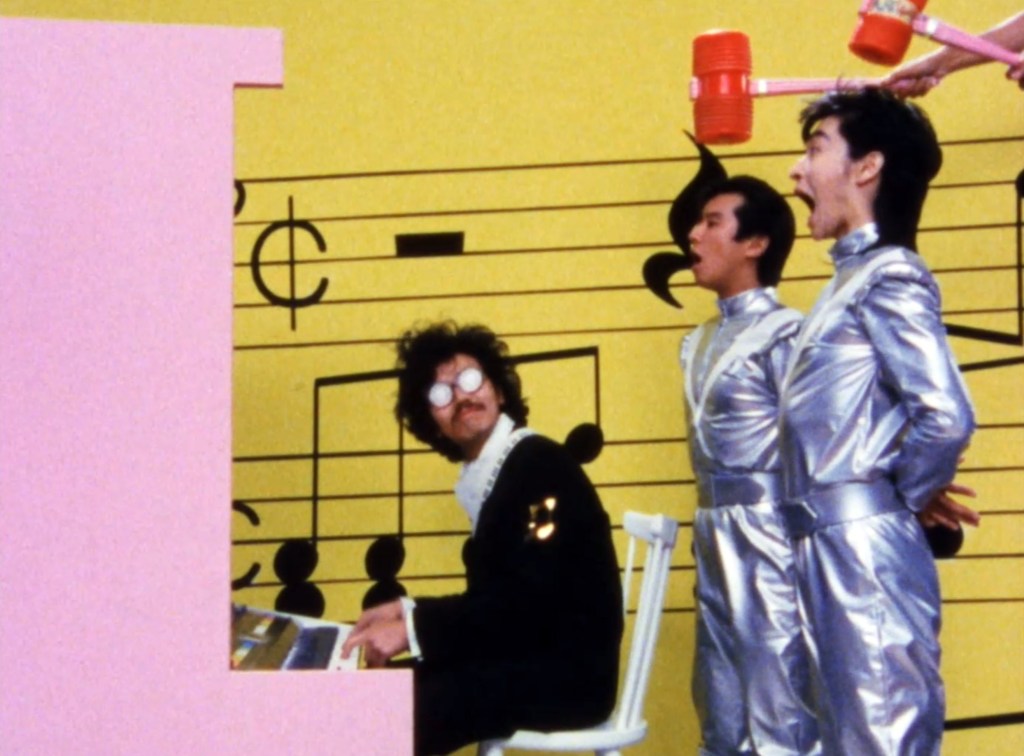
Why is The Legend of the Stardust Brothers still remembered today? It could be because the film is based on its creators’ personal experience of how the music industry works, which part establishment and even politics may play, how they all are connected, and which monsters you can meet. And now we regard this movie through a nostalgic lens, which takes on a completely different shade. “As I’m sure you know, in the 80s, Japanese film actually happened to be very serious at the time, and I actually think that maybe people were a little shocked by the difference. ” What may have looked absurd (and was intentionally made ridiculous) in the 1980s is now passed as an artistic feature. If in older days, The Legend of the Stardust Brothers might have seemed influenced by classic rock movies such as A Hard Day’s Night or Rocky Horror Picture Show, now it reminds more of old French comedies with Pierre Richard or even The Ghost of Morrisville Castle. It’s the same horror but in a different scenery: instead of a gothic castle, we found ourselves backstage in the Japanese pop scene as it was in the early days of the economic bubble era when new bands appeared only to be forgotten the very next day.
Moreover, The Legend of the Stardust Brothers is an excellent example of a visionary that a talent can achieve with a limited budget. From the nested narrative to clever editing tricks and rubber-masked monsters, just like in the best old fiction movies. It’s a rare item, and now it isn’t easy to imagine someone producing something like that, even for fun.
-
When magic happens. Interview with Hikaru (Der Zibet)


— You have a unique guitar sound that cannot be mistaken. Who did you have in mind when you just started to play? Who would you call your teacher?
— Thank you. Since the sound is entirely mine, I want it to be special. As for my guitar style, it was influenced by Jimmy Page (LED ZEPPELIN) in the first place.
— We know that you won NHK contest of young guitarists in your younger years. This probably required a diligent practice. What was your family attitude towards your interest in music?
— That is a good research work you made, but in fact, this was Young Film Festival in KANSAI.
The festival of 8-mm films. The first year my work got the third prize, the second year I won, the third year I was second. Though I liked making independent films, I did not have the feeling that it should be my way.— How much do you think the person is influenced by the music he listened in childhood?
— Doesn’t it follow you the entire life on some subconscious level? The very first single I bought was Gilbert Bécaud 「パリは霧に濡れて」(La Maison sous Les Arbres). I loved film music, French pop. These are still my favorite genres.
— How did you imagine rock-n-roll when you were a teenager and how did this view change after you started the career in this industry?
— I was strongly influenced by blues, that’s why I didn’t like rock-n-roll much when I was a teenager.
In 1982, I debuted in rockabilly band Be Bops, which imitated Gene Vincent, so I learned roots of country- and rock-n-roll styles. And this became an advantage.— How differs the sound you achieved with DER ZIBET from the sound you imagined when you just began?
— Since we started playing, we always wanted it to be original, so I suppose our current sound was predetermined.
— In your opinion, in the japanese music industry, to what extent can a producer define a band’s sound? Did anything change to you, when you became a producer yourself?
— This probably depends on each particular band, but a producer’s influence – be it positive or negative – inevitably appears in sound. In DER ZIBET’s early days, I learned recording techniques and ways of arranging lyrics by virtue of our producer’s support. Though my own experience as a producer was complicated, it was worth it. It is great joy when you get even more than you imagined.
— Who brought the idea to record album Garden in London? What did this trip to London mean to you in terms of professional skills? Was there something in overseas recording studios that one couldn’t find it Japan?
— This was Kenji Kisaki’s idea, the producer we had been working together back then. He believed that recording in London would help us to gain artistic skills rather than technical ones.
— During your career your band changed different statuses – DER ZIBET had contracts both with major and indie labels. What are the differences? What advantages does each status give? Did you have in mind to return to the major label when the band resumed its activity?
— In 80-s, 90-s Japanese major labels had money and possibility to pay bands enough. Compared to those times – when being on major label meant to be big – the recording process nowadays is less expensive and it is easier to achieve the sound I want. And though I do not have an intention of getting back to major label’s limitations, I accept the possibility of making a contract for one album.
— DER ZIBET was not active for quite a long period, after which the members reunited. Did anything change in the process of creating music?
— Mahito (keyboard) joined us again – he was a member initially, but left the band soon after the debut – so I think now we have a wider approach to composing music. At the same time, after the reunion we discuss lyrics and arrangements more thoroughly with Issay (vocal), so our way of making music is more maniac now.
— You composed several songs for Sawada Kenji (沢田研二). How did you start working together?
— Our producer, Kenji Kisaki, whom I mentioned above, was also producing Kenji Sawada-san. He liked the song that I wrote and he introduced me.
— By the beginning of the 90-s you had managed to work with different musicians – on the support, as a composer and as a producer. Moreover, at the very same time, you were working for your own, quite a successful band. And the music you did was versatile. Is there any genre you like the most?
— Rock. Though I do not really like hard rock and heavy metal. I also like techno, hip-hop, and electronic music.
— One can find references to LED ZEPPELIN in many of your projects, but you seem to never have used blues in DER ZIBET music. Why?
— This is simple – Issay does not have an interest in blues (^_^)
— In different projects, you had a chance to play on different stages– from small venues to big stadiums (as a support guitarist for Sawada Kenji and at Lollapalooza with PUGS. What do you like more, small venues or big stage? What are the advantages of each?
— It was only with Koji Kikkawa and Yoshiyuki Osawa that I played for a large audience as a support musician. As for Kenji-san, I only took part in the recording. American tour with PUGS and our performance at Lollapalooza were an amazing experience. When you are a support musician, the sound is created for a particular artist, so working in your own band is way more interesting.
— All DER ZIBET albums are conceptual. What comes first – the idea of an album, or the music defines the idea as you start writing melodies?
— That depends on the song, but the most precious thing is when magic happens. We like getting surprised.
— Did your experience of writing soundtracks influence your current work in DER ZIBET?
— This influence became obvious after we started working together again. There are more and more instrumental compositions, so the experience of writing soundtracks obviously works. Besides, I always loved film music, so it also had its impact.
— Why the band did not release any live records with materials from 90-s except for Live Mania? Judging by live records from 80-s, one can unmistakably tell the difference between the studio arrangement and the additionally developed live sound.
— This is true. The only live record we released in the 90-s is Live Mania. I don’t know why (^_^) I like live performances for them letting us to vary arrangements. Now we have more compositions which arrangement changes drasticly in acoustic performance.
— Are not you planning to reissue your old concert videos?
— This is complicated because we do not own rights for those videos. But we do have a plan of releasing a double album with songs from our major era, so I hope the rights issue will become clearer.
— Speaking of your music, is there anything you would like to catch up, anything you did not manage to do in the past and would like to do in future?
— After our reunion we developed a rather intensive activity with DER ZIBET to our own surprise; we are constantly writing songs in different styles and we would like to go on with it. I do not have a feeling of leaving something in the past. I very much treasure the fact that despite not being issued on a major label, my music is interesting to people living far from Japan. I would like to continue writing music which is interesting to others.
Translated by Natalie Merkulova
-
Akiko Yano: Iroha Ni Konpeitou
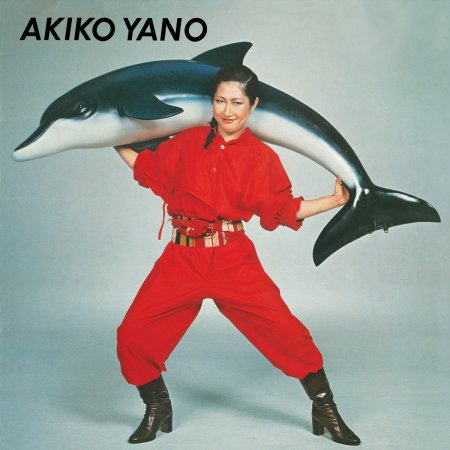
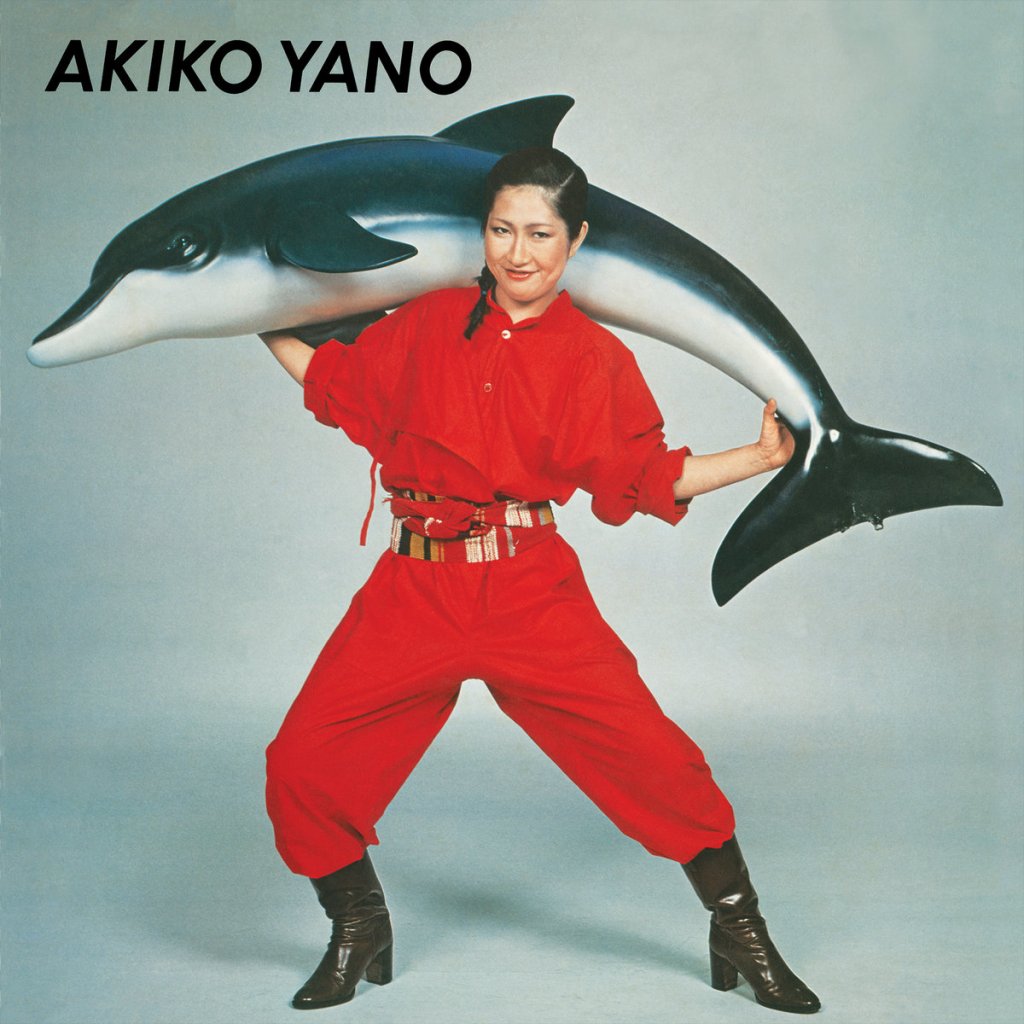
Explaining the unknown in terms of the familiar is one most natural ways to get to know the former. This is probably why music journalism tends to compare Japanese artists to their major Western counterparts. It’s not uncommon to see Akiko Yano’s name mentioned alongside Kate Bush’s, and this comparison is not without merit.
Both learned to play the piano and drew inspiration from the folk tradition, with similar high voices, fragile and brittle. At the start of their careers, both had experienced mentors: Kate Bush was mentored by David Gilmour of Pink Floyd, while Haruomi Hosono of Happy End mentored Akiko Yano. Both released their debut albums in the mid-1970s. But in fact, Akiko Yano released hers first.
Iroha Ni Konpeitou, technically Akiko Yano’s second studio album, explains her evolution as an artist best of all. Many of its compositions were recorded in Tokyo in 1974, a few years before her official debut. Yano was just 19 back then and supported by Haruomi Hosono, Shigeru Suzuki, and Tatsuo Hayashi, all from Tin Pan Alley, a band formed after the breakup of Happy End. On keyboards was Hideki Matsutake, who would later be responsible for Yellow Magic Orchestra’s equipment and touring with them and with Yano herself. Some of the sessions from that period may appear as coming from her first LP, Japanese Girl, but, actually, all of them were reworked and included in Iroha Ni Konpeitou.
What strikes the most about this album is the erudition of its creators. At first glance, the album may seem “idoru”-esque for its girly pop vocals, but on closer inspection, it reveals complex synth spaces, jazz-funk, country, boogie, and soul influences. The styles change quickly and seamlessly, with Yano’s vocals adding a pop sheen, whether she is using a piano or a Moog IIIc.
Yano’s love for jazz is unmistakable throughout the album, but she doesn’t treat it as a sacralized tradition. Instead, she handles it as a living, flexible substance fusing it with other genres. Interestingly, Ai Ai Gasa and Hosono’s Hourou, two tracks that somewhat dissonate with the rest of the album, were not written by Yano. However, they fit perfectly within the album’s overall sound and feel like petite aliens due to their subtle nostalgia notes.
Still, Iroha Ni Konpeitou has a solid Japanese essence. The album seemingly was created with something other than the Anglo-American market in mind. Like many other projects of the circles in which Yano revolved in the 70s, it was born out of a desire to integrate purely Japanese and Western motifs and see what would work.
That could be why the album was re-released outside Japan more than 30 years after its initial release. The album’s unique blend of influences and sounds makes it stand out without trying too hard to appeal to any particular market. And that’s probably why Yano still can pack the halls in New York without singing a word in English.
-
Ryuichi Sakamoto: 12

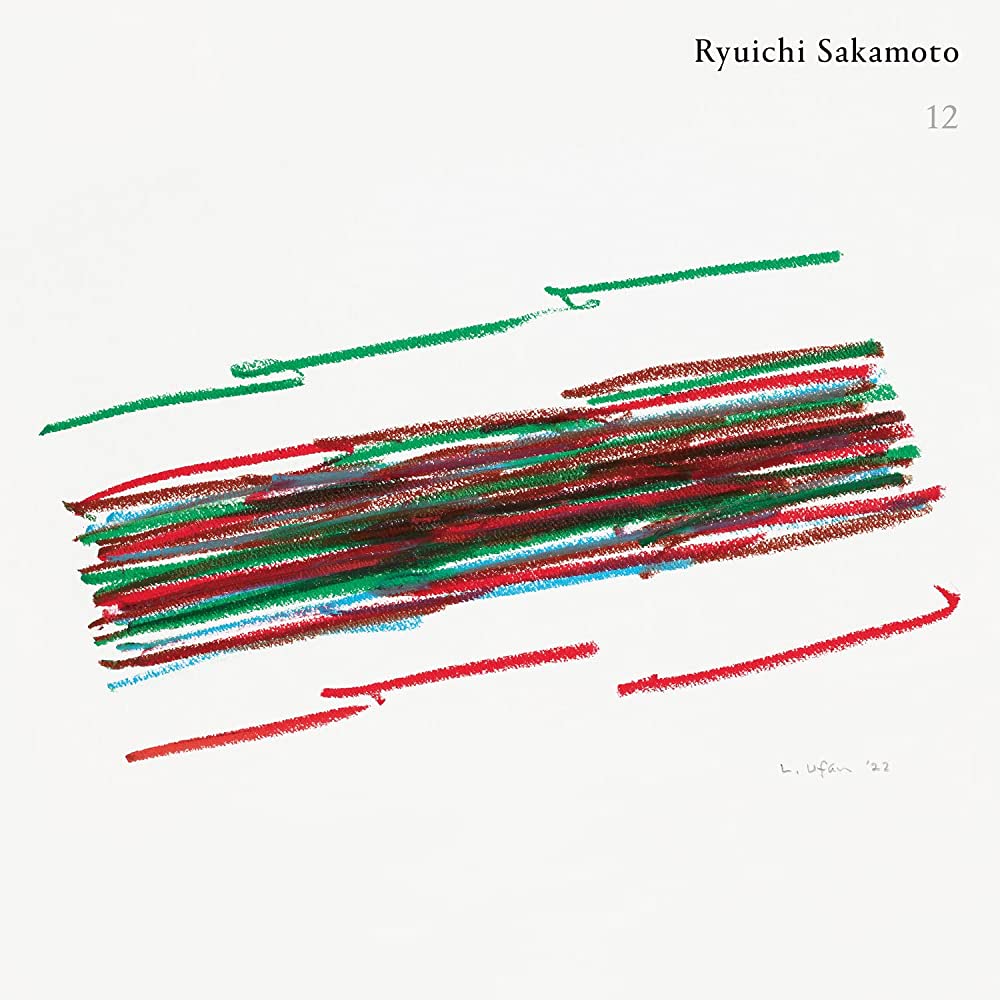
12 is the new album of Japanese composer Ryuichi Sakamoto (ex-Yellow Magic Orchestra), which he describes as “a musical diary”. Although this definition may seem simple, it is very accurate.
Speaking of this work, one can’t ignore the circumstances preceding its creation. In 2014 Ryuichi Sakamoto was diagnosed with throat cancer. Having won that battle, he returned to work, wrote a score for Alejandro González Iñárritu’s The Revenant, released a solo album async, and continued participating in anti-military activism until in 2021, he was diagnosed with rectal cancer, which progressed in 2022.
Ryuichi Sakamoto speaks about his condition with a straightforwardness non-typical for fellow Japanese. He even published a series of articles titled How Many More Times Will I See the Full Moon? in which he shared thoughts, not on his new music, but on life and death. 12, recorded during rough 13 months of therapy, continues the dialogue with the public.
It’s difficult not to compare this album to David Bowie’s Blackstar, but 12 harbours a different vibe. It’s neither a statement nor an attempt to envision what can be after. It’s a sketchbook of momentary states limited to the ability to live and breathe.
The first track alludes to resurfacing from the mute water depth to the light and loudness of the living world ahead. If waking up from anaesthesia needed a musical representation, 20210310 would be it. Inpatient experience reveals itself through the titles, making one wonder if they refer to the therapy regimen, and soft rhythmical hums reminding of an artificial ventilation machine. Those are scattered across the tracks, not allowing one to completely disengage from the pristine and muffled hospital soundscape. The album concludes with the gentle sound of the furin bells (風鈴), believed to chase away evil spirits. Gentle, but the loudest for the bravery of expressing hope.
“I am hoping to make music for a little while longer”, – said Ryuichi Sakamoto in his official commentary. 12 is not a story about the sudden realization of one’s mortality. This is a story about life, its fullness and its finiteness.
-
Ippu Do: Radio Fantasy

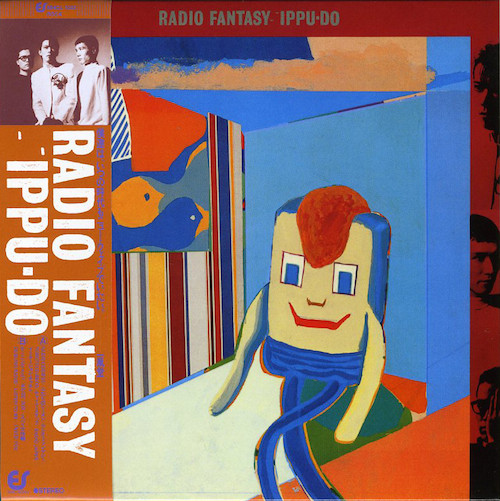
If you have ever tried diving deep into the early 80s Japanese electronic music, you may know the synth-pop trio Ippu Do and their leader, Masami Tsuchiya. Western rock fans may remember him as the guitarist of the last Japan live line-up, and Japanese rock fans – as the musician who coins from Ryuichi Sakamoto the tune oddly reminding The White Stripes’ Seven Nation Army that appeared years later.
Meanwhile, Ippu Do is one of those peculiar Japanese projects worth digging through the music backlog. Radio Fantasy – their only album released outside Japan – is the best choice for a ‘first date’. Recorded at the climax of the band’s career – before the hiatus and the final break – it reflects the variety of tastes of its creators. And this variety is what makes the album so alluring.
Yes, in a certain way, these are the typical electronic compositions from the early 80s, but less geeky than YMO‘s. And there is already much more mixed in it than the oriental interpretation of Autobahn, as it was in the early works of Ippu Do when the band even travelled to record in Berlin.
On Radio Fantasy you can also hear the influence of local beat groups of the late 60s (young Masami ran away from home, added himself a couple of extra years, and became a Golden Cups’ roadie), elements of always popular in Japan traditional Hawaiian music, and imitation of Chinese and Japanese folk motifs. And cha-cha-cha.
It was a complicated last album, but it gained in erudition and retained a very youthful, slightly hooligan charm. Ephemeral, like a polaroid picture of the late spring.
-
Xie Yugang (Wang Wen): “Instrumental music is the most common language in the world”


Wang Wen (惘闻) is an instrumental band from Dalian, a coastal city in Northern China. They formed in 1999 and now are considered one of the most influencing post-rock bands from the country. Аnd they are well known in Europe. Their track «Break the Car» was used in Nike advertisement. Efrim from Gogspeed You! Black Emperor helped to mix their 6th album «L & R».
Their records are sophisticated, melancholic and fragile, and we truly hope the new recording, the group has just finished in Iceland, will inherit these trademark qualities.
We asked Xie Yugang (guitarist of Wang Wen) about band’s history, inspiration, and future.
– Your sound is absolutely international. One may say your music has its roots psychedelic and progressive rock, but nothing reveals the nationality of its authors. How did you come to this concept? Was it intentional?
– As we play mostly instrumental music, which is the most common language in the world. So I think it is easy for people no matter where they are from to understand. Actually, we did not intend to become an instrumental band as I was the vocalist at the early times. But I was not a good singer, and I hated writing lyrics at that time. So, later on, we become the band we are now.
– Most western rock musicians started playing music in school. Was it the same way for you? How did you, member, meet? Was it difficult to put a band together?
– No way. Most of the Chinese people of my age did not have the chance to get real music education in school. I had my first guitar when I entered the college and then taught myself. Maybe nowadays things are getting better.
Dalian, the city where I live, is really a small town. I mean there are always not that many interesting people, which means it is easy to find some stupid and interesting funny mates. It was around 1999, I planned to form a rock band. It was like finally I had no choice but had the rest member in the band right away.
– Do you remember the music environment around you when you were growing up? What was it like?
– Yes, I do. I just remember when I was a child, my father in his spare time would playEr hu (a Chinese traditional music instrument with 2 string) around me. And when I was in middle school, the music around me was all the popular songs for Hong Kong and Taiwan. When I got into high school (around 1991), finally I got the cassettes of rock music, like Guns & Roses, Nirvana…
– When did you realize which genre you liked the most and in which genre would like to work?
– I formed the band in 1999, and we played some grunge music at that time. Around 2003, I got bored of singing like a shit. And then we moved to instrumental stuff. From then on, I think everything was just perfect because I do not need to write the lyrics and sing anymore.
– What does the name of your band mean? The cover of your album «Diary of 28 sleepless days» says «Unknown Band» Why did you choose to address yourself this way?
– Wang Wen means «did not hear» or «ignore» from the direct Chinese meaning word by word. It was taken from a Chinese idiom «Zhi Ruo Wang Wen».
When we released our first album «Diary of 28 sleepless days» in 2003, the record label made the translation as Unknown, we thought «ok, yes, we are unknown», but after that, we just used Wang Wen for translation.
– The songs from your early albums had lyrics. What were those texts about?
– Yes, I wrote lyrics at that time. Usually, I would write them in the morning of the day when I recorded the singing. So I would push myself to write something in my head at that very moment. They were about the feeling in my mind at that time. They mean a lot or mean nothing.
– Now you do mostly instrumental music. Are you going to get back to singing in future?
– Yes, I hope I will be prepared for the singing and lyrics for the album next year. I am serious this time.
– In earlier interviews, you once said that your music is about improvisation. Is it an absolutely free improvisation or you have some concept within which you improvise? Do you prepare any drafts or take rehearsals before going to the studio to make a new record?
– Sometimes we have a concept or communication before we improvise. Sometimes we just improvise freely. And then we pick up the parts that everybody feels good about for further rehearsals. Yes, before going to the studio for the new record, we always prepare the demo tracks.
– You recorded the new album in Iceland. At Sundlaugin Studio, owned by Sigur Ros. Why was it Iceland this time and what defines your choice of studio each time?
– One year ago, our manager and our sound engineer went to Iceland for a short tour. And they visited Sundlaugin Studio and sent me many photos from there. I just loved it very much, the environment, the vintage keyboards, the studio space. And also I really hope every time we will be able to record a new album in a new studio, making everything fresh.
– Is there a designer you collaborate with to make album covers? Is the concept of the cover is important for you?
– As every album has a different concept, we would like to cooperate with the artist or designer which are suitable for the concept. Yes, I think the cover is also part of the album. So it is also important for me.
– Many of your tracks sound as if they are from a movie. Have you ever thought about writing soundtracks?
– Yes, we did sometimes, not that often. It depends on the good feeling between each other.
– If you were suggested to make a movie for your music, what kind of movie would it be?
– A sad cartoon movie, maybe, haha.
– I know it is a common question, but what is it like to be a rock band in China?
– Old school, not cool, hard to find a girlfriend or boyfriend, out of fashion, alcoholic…
– I heard that all band’s members still have day jobs, which gives you a freedom to make a music that you like, but it costs time.
– Yes, we also have to make a living by other jobs. While we all love making music and it is just part of our life. So it is not about time, it is about life and love.
– Now you are on a big tour in Europe and planning to play in China, have things changed a bit?
– Yes, we toured Europe several times, it is getting better and better. We need to tour more to spread our music to more area in the world. We will try our best.
– What would you like to do in the next five years?
– Recording 2 more new albums with Wang Wen and touring more countries and cities, making some other side projects with other musicians… Yeah, tons of things to do, I should not be lazy…
– In which country of those you have not been before you would like to perform? And why?
– All new countries I would love to play, because fresh countries, fresh people, fresh local beer always make me excited.
Thanks to Dariya Belokrylzeva for helping us with the questions.
 Bad Lemon